
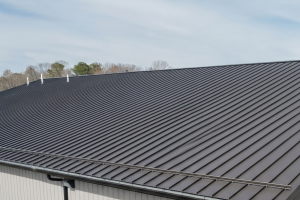
 The right commercial roof protects your investment while optimizing energy efficiency and maintenance costs. Evaluate your building’s specific needs, local climate, and long-term budget to make the most informed decision for your property. Choosing the right types of commercial roofs can feel overwhelming when some systems last 20 years while others stretch beyond 50 years or more. The decision affects everything from your energy bills to maintenance costs. Selecting the wrong roofing materials for commercial buildings can drain your budget for decades. We created this piece to simplify your decision. We’ll walk you through different types of commercial roofs, including TPO, EPDM, and PVC systems along with alternative solutions. On top of that, we’ll help you match types of commercial roofing systems to your specific building needs, climate conditions, and long-term investment goals.
Key Factors to Consider When Choosing Commercial Roofing Materials
Building owners face a complex decision matrix when selecting roofing materials for commercial buildings. The stakes are high because the wrong choice affects your bottom line for decades. We’ll break down the four critical factors that determine which types of commercial roofing systems work best for your property.
Building Type and Business Needs
Your building’s design and purpose drive material selection more than you might think. Warehouses and manufacturing facilities handle different loads compared to offices and retail spaces. Buildings with heavy rooftop machinery need systems that support substantial weight without compromising structural integrity. Retail and office buildings often prioritize esthetics among other concerns, requiring materials that deliver both visual appeal and performance.
Your building’s architectural demands matter when you evaluate different types of commercial roofs. Flat roof systems work well for facilities where rooftop access is frequent, while pitched designs suit buildings with specific drainage requirements. Match your building style to the right material and you get both the functionality you need and the appearance you want.
Climate and Weather Conditions
Your local weather patterns determine which commercial roofing material types will perform best and last longest. Temperature extremes affect all roofing systems. Prolonged sun exposure degrades certain materials, while freezing temperatures make others brittle and prone to cracking. Regions with heavy snowfall require stronger materials capable of bearing substantial weight. Metal roofs excel in these areas due to their strength and snow-shedding abilities.
Precipitation patterns shape your material decision. Rain, snow, and ice cause wear that compounds over time. Pooling water results from inadequate drainage and seeps into roofing materials to cause leaks or structural damage. Reflective roofing minimizes heat absorption and reduces cooling costs in warmer regions. TPO and EPDM membranes deliver energy efficiency in these climates.
Wind presents another challenge. High winds cause uplift and can tear off roofing materials when installation falls short of standards. Manufacturer’s wind warranties must meet or exceed 100 MPH wind speed requirements in many jurisdictions. Hail creates physical damage to roofing surfaces and can lead to leaks and structural issues.
Budget and Long-Term Investment
Budget drives every commercial roofing decision, but the lowest upfront cost rarely delivers the lowest long-term expense. You need to balance costs for the original installation against ongoing maintenance expenses. Systems with lower purchase prices often incur higher maintenance and repair costs throughout their lifespan.
A new commercial roof carries a life expectancy of roughly 20 years. Buildings without a structured maintenance program replace their roofs 30 to 40 percent sooner than properties with scheduled inspections. That difference translates to tens of thousands of dollars when you consider replacement costs.
Emergency repairs cost approximately three to nine times more than the same work done on a scheduled basis. Repairs run 2.5 times more expensive than routine preventative maintenance. Industry experts recommend you allocate 1 to 3 percent of your building’s value each year for maintenance and repairs. This proactive approach reduces financial surprises when repair needs arise.
Energy-efficient systems offering improved insulation or reflectivity can deliver substantial savings on utility bills. These long-term economic benefits often offset higher costs at the start. Building codes may require R-30 insulation replacement when existing commercial roof insulation is disturbed or removed. Factor in potential savings on energy bills, maintenance, and repairs when you compare types of commercial building roofs.
Warranty strength provides insight into system quality and expected lifespan. Robust warranties promise durability and defects get addressed without additional costs. Transferable warranties also protect property value when you sell the building.
Maintenance Requirements
Preventative maintenance programs extend roof service life and minimize repair expenses. Different types of commercial roofs demand varying maintenance levels. Metal roofs require minimal upkeep and last longer, which translates to fewer long-term costs. Built-up roofing systems may need regular inspections and repairs.
Think over your resources for ongoing care and how you can maintain your chosen material. Pick a system with manageable maintenance needs and you save time and expenses while keeping the roof in good condition for years. Regular maintenance addresses minor issues early and minimizes repair expenses later. Know your roof’s exact condition and you can make informed decisions for your facility and budget.
TPO Roofing Systems
TPO roofing systems dominate the commercial roofing market and make up roughly 40% of all installations. This single-ply membrane has revolutionized how building owners approach flat and low-slope roofs since its introduction in the early 1990s.
What is TPO Roofing?
Thermoplastic polyolefin (TPO) is a single-ply membrane made from a blend of polypropylene and ethylene-propylene rubber. The material consists of three distinct layers: a TPO polymer base, a polyester-reinforced scrim center that provides strength, and a thermoplastic polyolefin compounded upper ply. This construction creates a flexible yet durable roofing solution reinforced with polyester that allows roofs to expand and contract.
TPO sheets are mechanically fastened, adhered, or ballasted over insulation using river rock. The seams between each sheet get heat-welded together and create a monolithic surface that offers superior water resistance. TPO’s heat-welded seams form a bond as strong or stronger than the membrane itself, unlike EPDM roofs that require cleaning, priming, and sealing with tape.
Cost and Installation
TPO delivers one of the lowest price points among different types of commercial roofs. Material costs run about USD 0.50 per square foot. EPDM costs around USD 0.55 and PVC runs USD 0.77 per square foot. Total installation costs range from USD 5.00 to USD 15.00 per square foot once you factor in labor.
Baseline installed pricing starts around USD 8.00 to USD 10.50 per square foot for standard commercial low-slope projects. A 10,000 square foot building might see costs between USD 80,400 and USD 102,900. A 50,000 square foot building could run USD 402,000 to USD 514,500. These numbers shift higher once you add tear-off, insulation upgrades, edge metal, or difficult roof access.
TPO membranes cost about 20 to 30 percent less to install than standard roofing materials because they weigh less and can be put in place much quicker. The straightforward installation process requires less labor compared to other commercial roofing material types. Three main installation methods exist: mechanically fastened systems using screws and barbed plates, adhered systems that are chemically glued to achieve higher wind uplift performance, and ballasted systems. Each method offers a 20-year manufacturer’s warranty.
Energy Efficiency Benefits
TPO membranes reflect sunlight rather than absorb it and reduce heat buildup inside buildings. Highly reflective TPO materials can reflect up to 80% of the sun’s radiation. This reflectivity brings surface temperatures down around 50 degrees Fahrenheit compared to traditional dark roofs.
The cooling cost savings prove substantial. Buildings with TPO roofing often see a 10-30% reduction in cooling costs, depending on location, roof size, and insulation levels. The reduced workload on HVAC systems translates to lower electricity bills in summer months. TPO membranes reflect sunlight and handle heat better than most alternatives among types of commercial roofing systems and save money on operating costs.
Durability and Common Issues
TPO membranes include built-in UV stabilizers that prevent material breakdown under sunlight exposure and maintain shape and strength. These membranes expand and contract without developing cracks or having seams separate as temperatures go through daily changes (sometimes over 70 degrees Fahrenheit difference between day and night). Manufacturers claim around 20 to 30 years of useful life based on field observations.
But TPO faces documented challenges in high-heat conditions. Membrane failures have occurred in situations where temperatures exceed 160°F for extended periods. Roofing associations issued advisories about premature TPO failures related to high heat loads in 2009 and 2010. These failures happened where nearby reflective surfaces, excessive dirt buildup, or directly attached solar panels elevated roof temperatures to around 190°F to 200°F.
The newer versions that resist punctures mean fewer repairs, maybe around 40% fewer than what we see with EPDM roofs. TPO repairs are easy owing to heat-welded components. Fixing punctures often involves cleaning the membrane and heat welding a new piece over the damaged area. That said, repairs require specialized equipment like hand welders and experienced roofers to ensure proper installation.
EPDM Rubber Roofing
EPDM rubber roofing has secured its position as a reliable workhorse among different types of commercial roofs. This synthetic rubber membrane entered the market in the 1970s during an oil embargo that drove asphalt prices skyward. EPDM accounts for more than 1 billion square feet of new roof coverings annually in the United States after 50 years.
Understanding EPDM Membranes
EPDM stands for ethylene propylene diene terpolymer (or monomer in some formulations), a synthetic rubber membrane manufactured from ethylene and propylene derived from oil and natural gas. The material comes in widths ranging from 7.5 to 50 feet and thicknesses of 30, 45, 60, and 100 mils. Standard commercial applications use 45 to 60 mils thickness.
The membrane is available in black, white, and gray colors. Black EPDM absorbs heat, which benefits colder climates by reducing heating costs. White EPDM reflects sunlight and reduces cooling expenses in warmer regions, though it costs about 30% more per square foot.
Three installation methods exist for EPDM systems. Mechanically attached systems use metal fasteners and plates to secure the membrane to the roof deck and offer the quickest installation. Fully adhered systems bond the membrane to insulation with specialized adhesives and provide superior wind uplift resistance with better energy efficiency. Ballasted systems use smooth stones or concrete pavers to hold the membrane in place and deliver the highest energy efficiency with the most affordable installation.
Advantages of Rubber Roofing
EPDM delivers exceptional longevity when installed and maintained properly. The material can last 30 to 50 years or more. A newer study, published in examining five EPDM systems aged 28 to 32 years found all were still performing like new.
The material’s flexibility sets it apart. EPDM membranes maintain elasticity exceeding 300% and can withstand severe weather while accommodating building movements. This flexibility makes EPDM impervious to hail storms, even with hailstones above 4 inches in diameter.
Affordability drives many purchasing decisions. EPDM roofing systems cost anywhere from USD 4.00 to USD 10.00 per square foot. Ballasted EPDM ranks as the cheapest commercial low-slope roof system available. The material itself weighs about half a pound per square foot for a 60 mil fully-adhered membrane.
Wider EPDM rolls reduce seam count and cut maintenance and repair costs substantially throughout the system’s lifespan. The manufacturing process carries minimal environmental impact, and the membrane itself is 100% recyclable.
Disadvantages of EPDM Systems
Puncture vulnerability represents EPDM’s biggest problem. The membrane faces damage from hail impacts, wind-driven debris, foot traffic, and rooftop equipment. Unreinforced EPDM proves especially vulnerable, and the problem worsens as the membrane ages.
Shrinkage occurs over time and causes the membrane to separate around parapet walls, seams, and penetrations. EPDM can shrink by up to 4% and creates a drum-skin effect that stresses seams while increasing damage susceptibility. Installers compensate by adding extra material and allow the membrane to shrink to proper fit.
Seam integrity depends on adhesives that dry out and weaken over time. Field seams can develop defects within the first three years after installation due to application errors or adhesive failure. Ponding water accelerates seam degradation, especially when adhesives face prolonged moisture exposure.
Black EPDM absorbs heat substantially in warm climates and increases cooling costs while accelerating membrane deterioration. The material also shows vulnerability to grease, animal fats, oils, and petroleum solvents and becomes unsuitable for restaurants or industrial facilities.
Best Applications for EPDM
EPDM excels on flat and low-slope commercial roofs, including warehouses and commercial buildings. The material works well when rooftop esthetics don’t matter and maintenance requirements stay minimal. EPDM also serves as a base layer for rooftop gardens, solar arrays, or other rooftop features.
PVC and Premium Single-Ply Systems
PVC membranes represent the premium tier among different types of commercial roofing systems. These thermoplastic membranes are engineered for exceptional durability, flexibility and UV resistance. Building owners select PVC when long-term performance matters more than upfront cost, especially for facilities with specialized roofing demands.
PVC Roofing Features
PVC roofing construction consists of multiple layers: a weather-resistant top layer, reinforcing polyester scrim and a bottom layer that bonds to the substrate. Heat-welded seams create bonds that often exceed the membrane’s own strength. This welding process produces a continuous, watertight seal that outperforms adhesive-based connections.
PVC maintains superior flexibility compared to other commercial roofing material types. The material incorporates liquid plasticizers that allow it to traverse complex rooftop contours, corners and penetrations of different shapes. This flexibility persists across temperature fluctuations. The membrane expands and contracts without developing cracks. But traditional PVC can lose some flexibility over time due to plasticizer migration, which may lead to shrinkage.
PVC KEE emerged in the 1980s as an improved version with solid plasticizer instead of liquid. The ketone ethylene ester additive improves long-term weatherability and UV resistance while keeping all the beneficial properties of standard PVC. PVC KEE membranes provide increased puncture resistance due to higher minimum thickness.
Chemical and Fire Resistance
Chemical resistance sets PVC apart from other types of commercial building roofs. The material withstands exposure to grease, oils, fats and chemicals, which makes it the standard choice for restaurants and manufacturing facilities. Airborne oil droplets from restaurant exhaust systems or industrial operations travel across rooftops. PVC resists degradation that destroys other membranes. Building codes often require PVC in areas where oil exposure is expected.
Fire resistance proves just as impressive. PVC is a fire-resistant polymer that slows flame spread and self-extinguishes when heat sources are removed. Tests show that PVC samples self-extinguish within 12 to 13 seconds after flame removal, while other materials continue burning for 3 to 6 minutes.
A 2014 helicopter crash onto the University of New Mexico Hospital showed PVC’s fire performance under extreme conditions. Fuel spilled and ignited, but the Sarnafil PVC membrane prevented fire spread. Sharp rotor blades punctured the membrane yet it closed up after blade removal and prevented leaks. Only 2% of the affected area required replacement.
Cost Comparison
PVC carries the highest upfront investment among single-ply systems but delivers the best long-term value. Material costs range from USD 0.77 to USD 12.00 per square foot. Installed pricing runs USD 7.00 to USD 14.00 per square foot, depending on membrane thickness, insulation requirements and roof complexity.
By comparison, TPO costs around USD 5.00 to USD 15.00 per square foot installed, while EPDM runs USD 4.00 to USD 10.00 per square foot. PVC’s premium pricing reflects superior chemical resistance, fire performance and extended service life.
Lifespan and Warranty Considerations
PVC roofs often exceed 30 years of service life when paired with professional maintenance. Some installations are expected to last 30 to 40 years. This longevity surpasses TPO’s 20 to 30 years and matches EPDM’s upper range.
Manufacturer warranties range from 10 to 30 years. GAF EverGuard PVC systems provide warranties up to 30 years, while PVC KEE systems qualify for 30 to 35-year coverage. No-dollar-limit warranties are available from manufacturers like Duro-Last when certified contractors perform installation.
Most warranties cover material defects only, not labor costs. Workmanship warranties from contractors provide broader protection since installation errors cause failures more than material defects.
Alternative Commercial Roofing Solutions
Single-ply membranes aren’t your only option. Several alternative roofing materials for commercial buildings deliver specific advantages based on your building requirements and operational needs.
Asphalt-Based Systems
Asphalt roofing systems have been in use for more than a century. Built-Up Roofing (BUR) consists of multiple waterproofing layers applied on-site and creates redundant protection against leaks. The system derives its name from building up layers of base sheet, interply sheets, and cap sheet with hot asphalt serving as the bonding agent between layers.
Modified bitumen systems evolved from traditional BUR in the 1960s and 1970s. SBS (Styrene Butadiene Styrene) incorporates synthetic rubber into the bitumen compound and provides flexibility even in very low temperatures. APP (Atactic Polypropylene) uses plastic-infused bitumen for better UV resistance and weather protection. Both systems offer multiple installation options including hot-mopping, torch-applied, cold-applied, and self-adhered methods [204].
Coating Systems
Roof coatings extend the life of existing systems without full replacement. They are affordable alternatives when structural integrity remains sound. Acrylic coatings provide water-based, easy application with high UV resistance and reduce surface temperatures by as much as 20 degrees F. Silicone coatings withstand ponding water well and reflect 80-90% of UV rays. Polyurethane coatings deliver superior impact resistance for high foot traffic areas. PMMA coatings, designed for heavy reinforcement, enable roofs to support pavers or rooftop gardens.
Metal Panel Options
Metal roofing can last up to 60 years with minimal maintenance. These roofs are durable and energy efficient. They resist extreme weather conditions and can last 40-70 years. Special coatings reflect the sun’s energy and reduce cooling costs by as much as 20% compared to traditional materials. Metal panels are recyclable at the end of their lifespan and offer sustainability advantages.
Emerging Technologies
Drone inspections use high-resolution cameras and thermal imaging to assess roofs without physical access and boost safety. Infrared moisture scans identify trapped moisture before visible damage occurs. This extends roof life and reduces repair costs. Green roofing solutions, including photovoltaic systems and garden roofs, boost energy efficiency while lowering environmental impact. Online portals provide centralized access to roof condition data, warranty information, and maintenance history.
Matching Roofing Types to Your Commercial Property
Different property types just need specific roofing solutions based on operational requirements and structural characteristics. Matching roofing materials for commercial buildings to your facility type maximizes performance and reduces long-term costs.
Warehouse and Industrial Buildings
TPO systems work well for warehouses and distribution centers where energy efficiency matters. Large industrial roofs benefit from TPO’s reflective properties and economical nature. Metal roofing delivers exceptional longevity for industrial buildings with sloped roofs. It resists wind uplift forces exceeding 150 mph. Modified bitumen and BUR systems handle heavy foot traffic from maintenance crews accessing rooftop equipment. Warehouses in harsh coastal environments get excellent protection from these multi-layer systems.
Retail and Office Spaces
TPO serves retail buildings and data centers with good results. PVC membranes suit restaurants, cold storage facilities, and hospitals due to chemical and grease resistance. Metal systems provide architectural appeal for office complexes and real estate developments while delivering long service life.
Multi-Family Residential Properties
Multi-family housing uses flat or low-slope roofs. Apartment complexes and HOA projects commonly use TPO 60 mil membrane installations. A 12-building HOA used TPO 60 mil membrane with a 20-year system guarantee. Mixed-use communities combine steep-slope products for townhomes with low-slope TPO for apartment buildings.
Specialty Building Considerations
Buildings with chemical exposure require PVC systems. Restaurants need grease-resistant roofing, while manufacturing facilities face oil and solvent exposure. Schools and government buildings select modified bitumen for its multi-ply strength and durability.
The right commercial roofing system affects your operating costs for decades. We’ve broken down the biggest options, from budget-friendly TPO to premium PVC systems, and shown you how climate, building type and maintenance requirements shape your decision. Focus on long-term value rather than upfront costs alone. Systems with higher original investments often deliver superior durability and lower maintenance expenses throughout their lifespan. Match your roofing choice to your building’s specific needs, and you’ll protect your investment while keeping utility bills manageable.The best commercial roof is the one that lines up with your operational requirements and budget realities. Use this piece to compare your options and make an informed choice.
FAQs
Q1. Which roofing system works best for commercial buildings? The best commercial roofing system depends on your specific needs. TPO offers excellent energy efficiency and cost-effectiveness for warehouses and distribution centers. PVC provides superior chemical resistance for restaurants and manufacturing facilities. EPDM delivers reliable performance at the lowest cost for standard applications. Metal roofing excels in durability for industrial buildings with sloped roofs. Consider your building type, climate, budget, and maintenance capabilities when making your selection.
Q2. How do TPO and EPDM roofing systems compare? TPO costs slightly less than EPDM and offers better energy efficiency through higher reflectivity, potentially reducing cooling costs by 10-30%. TPO’s heat-welded seams are stronger than EPDM’s adhesive seams. However, EPDM typically lasts longer (30-50 years versus 20-30 years for TPO) and maintains better flexibility over time. EPDM is more vulnerable to punctures and chemical exposure, while TPO can experience failures in extreme heat conditions exceeding 160°F.
Q3. What roofing materials do insurance companies prefer for commercial properties? Insurance carriers favor roofing materials that demonstrate durability and weather resistance. Metal roofing, quality single-ply membranes like TPO and PVC, and properly installed modified bitumen systems are generally preferred. These materials resist wind damage, fire, and severe weather conditions. Roofs with strong manufacturer warranties and documented maintenance programs also receive favorable consideration from insurance providers.
Q4. How much should I budget for commercial roof maintenance annually? Industry experts recommend allocating 1 to 3 percent of your building’s value annually for roofing maintenance and repairs. This proactive investment significantly extends roof lifespan—buildings with structured maintenance programs keep their roofs 30 to 40 percent longer than those without regular inspections. Preventative maintenance costs substantially less than emergency repairs, which typically run three to nine times more expensive than scheduled work.
Q5. What factors should influence my commercial roofing material choice? Four critical factors determine the best roofing system for your property: building type and operational needs (such as rooftop equipment or chemical exposure), local climate and weather patterns (temperature extremes, precipitation, wind, and hail), budget considerations including both upfront costs and long-term maintenance expenses, and your capacity for ongoing maintenance requirements. Additionally, consider energy efficiency benefits, expected lifespan, and warranty coverage when evaluating different roofing options.
We Provide Commercial Roofing Services in Greater Cincinnati
At Integrity 1st Roofing, we provide professional roof installation services for homeowners and commercial property owners throughout Cincinnati, Northern Kentucky, and Southern Indiana. As GAF Master Elite® certified contractors with over 25 years of experience, we install roofs the right way the first time, using only high-quality materials and proven techniques that stand up to the Greater Cincinnati area’s demanding weather conditions.
> Learn More
Contact Us (513-563-7663) for a Free Consultation!
—
 About Integrity 1st Roofing

We are a roofing company with the expertise necessary to take on various tasks, from roofing installation to gutter work. No matter how complex the job is, our qualified roofing contractors can handle the job quickly and efficiently. Customer satisfaction is the most crucial goal of our company. We aim to build relationships with our clients, and our reputation has continued to grow thanks to our loyal customers throughout the Cincinnati area. We’re proud of our certifications, partnerships, and hardworking team. We stay up-to-date on the latest technologies, practices, and techniques to ensure fantastic results.
- GAF Master Elite® Certified
- “A” rated by Angie’s List
- Angie’s List Super Service Award
- A+ rated by the Better Business Bureau
- Members of the Ohio Roofing Contractors Association